The Old Chapel Cafe
LOCATION
Lincolnshire
PRODUCT
Heritage System Bronze Windows
ARCHITECT / CONTRACTOR
Private Client
ABOUT PROJECT
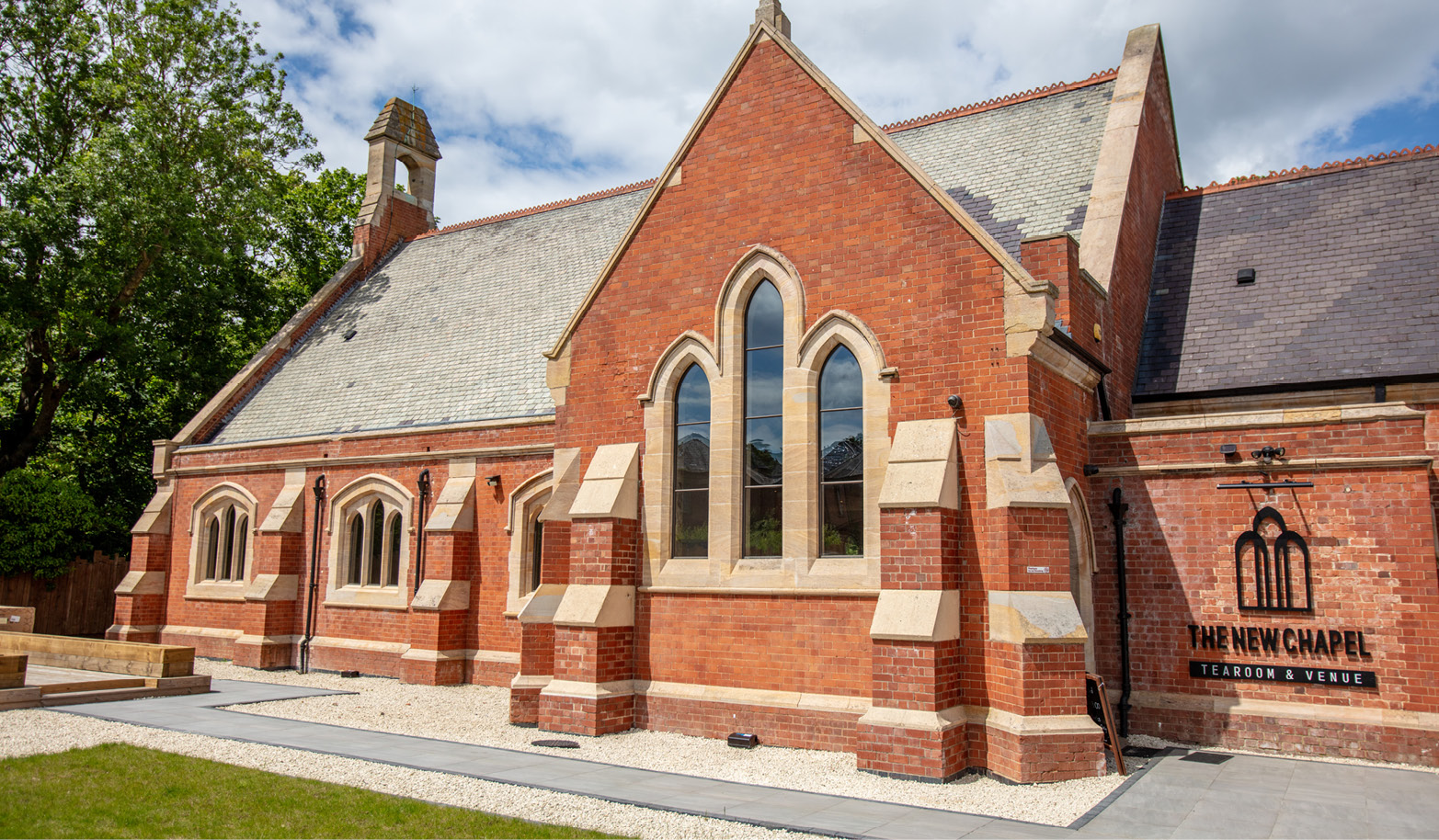
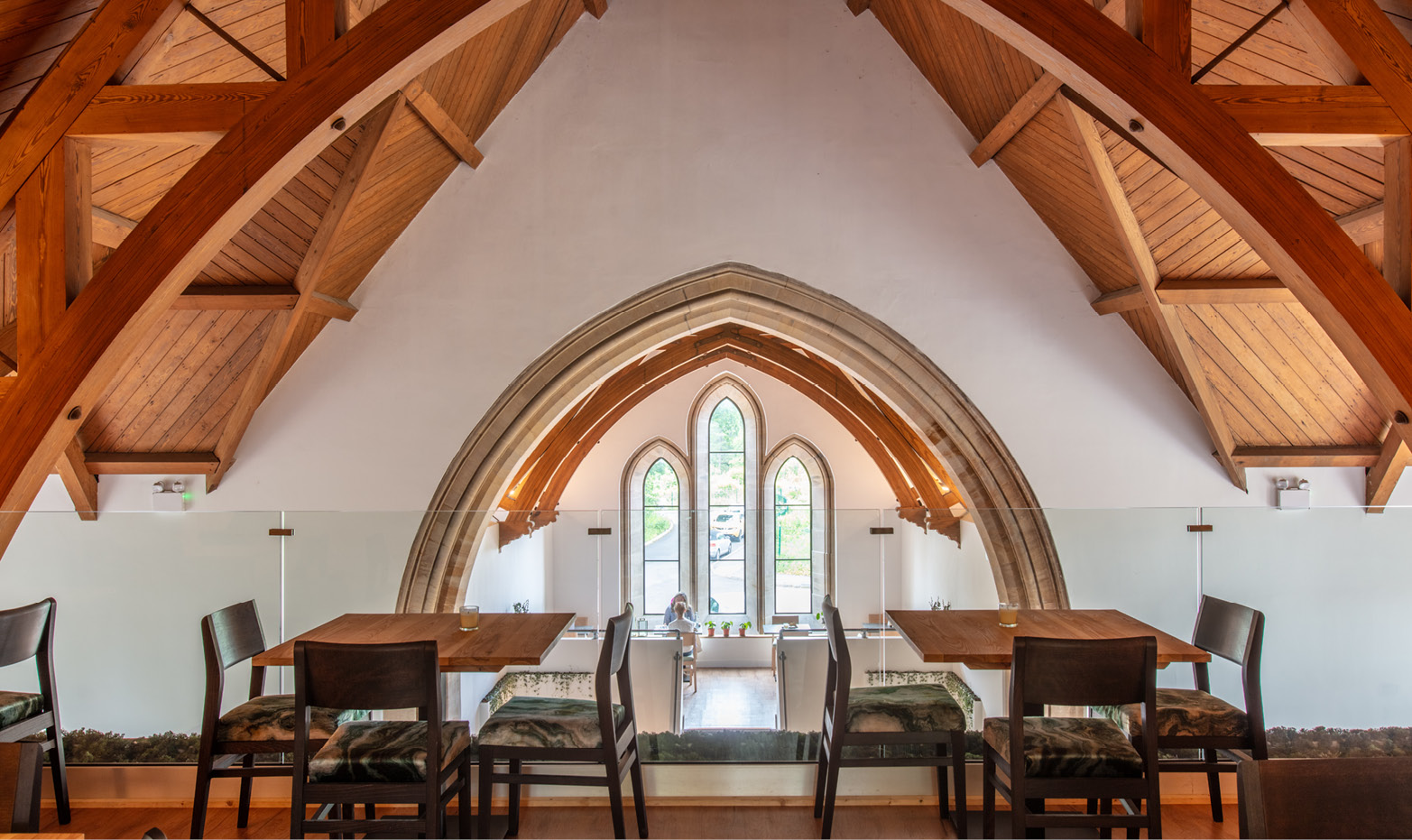
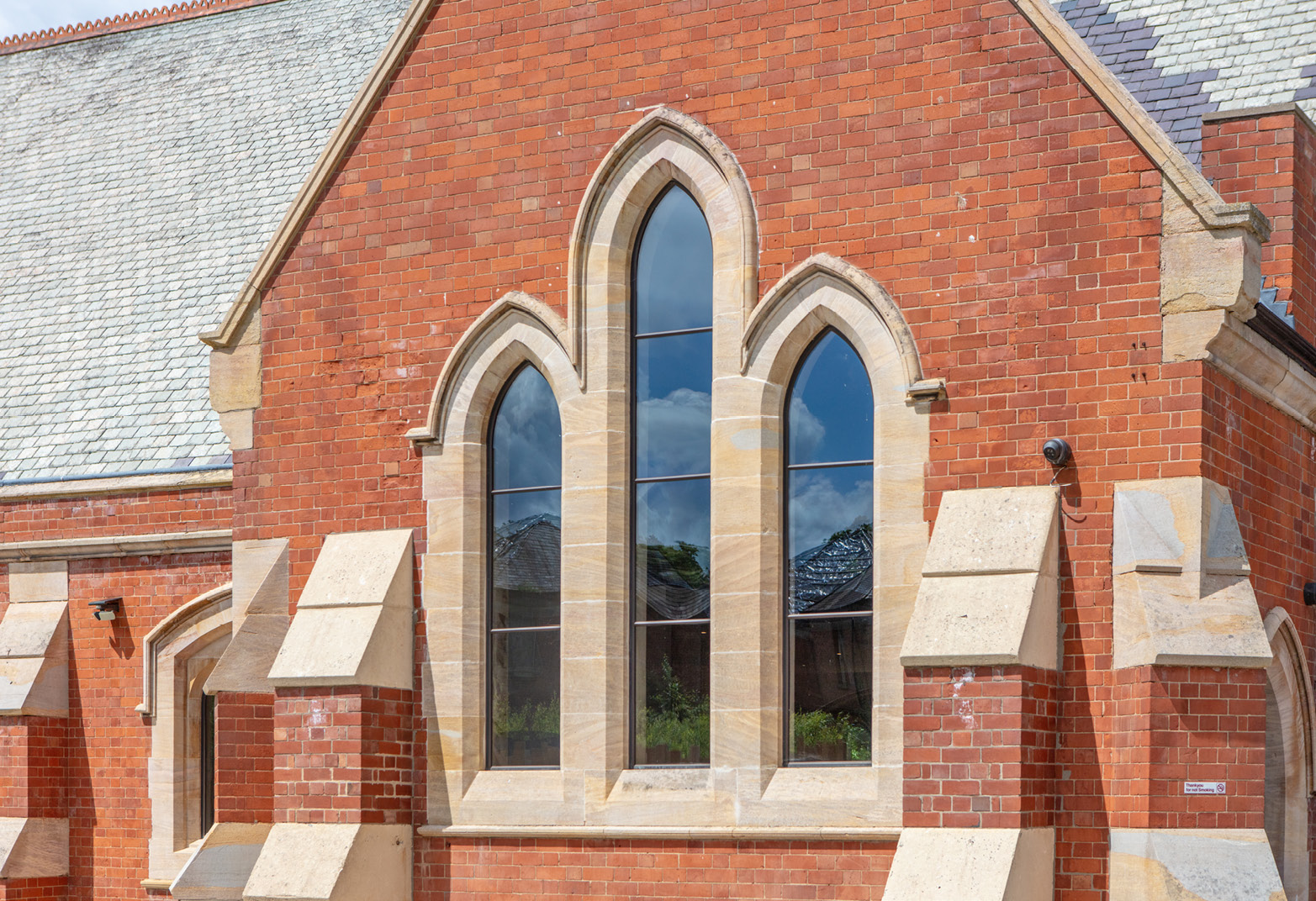
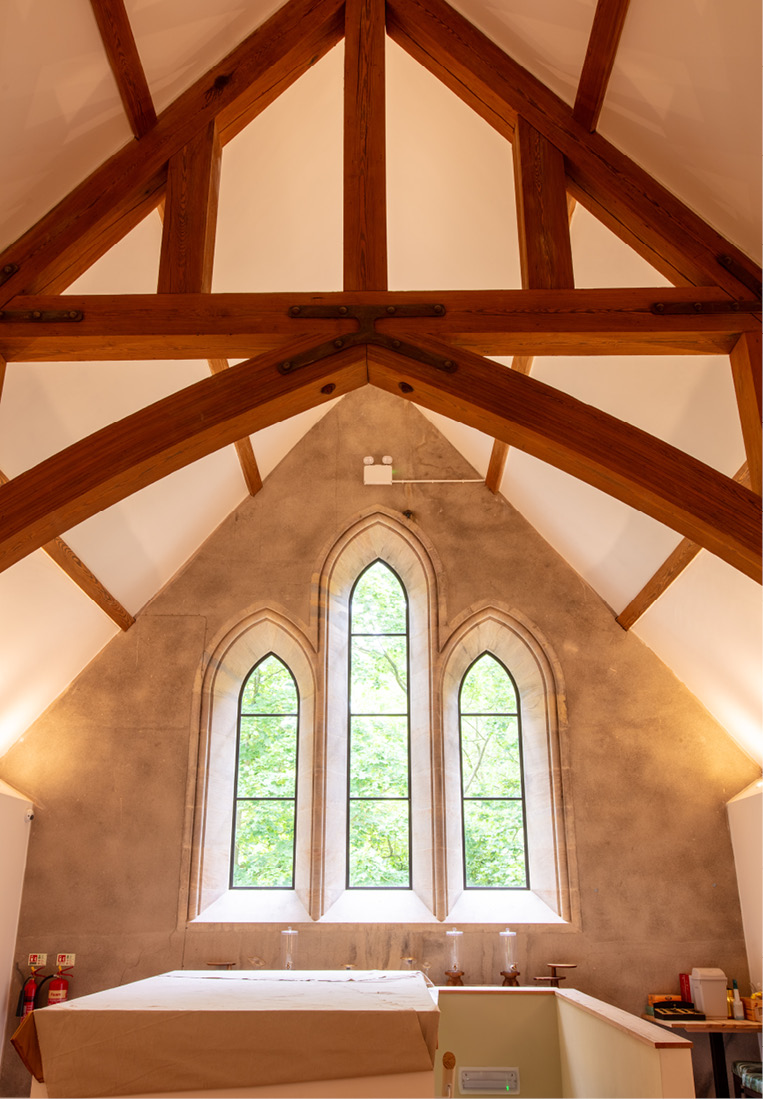
As part of the restoration and conversion of this 1897 Methodist Chapel, previously the former Rauceby Mental Ayslum, into a bar and restaurant, we supplied and installed fixed, handcrafted bronze windows using our Heritage window system.
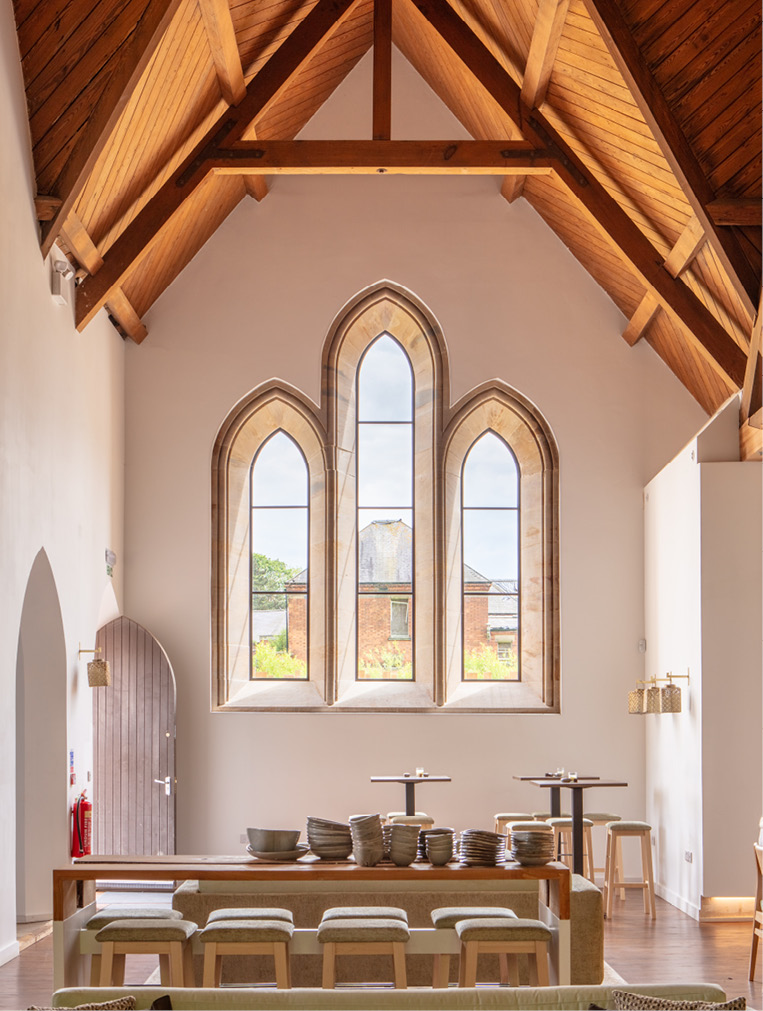
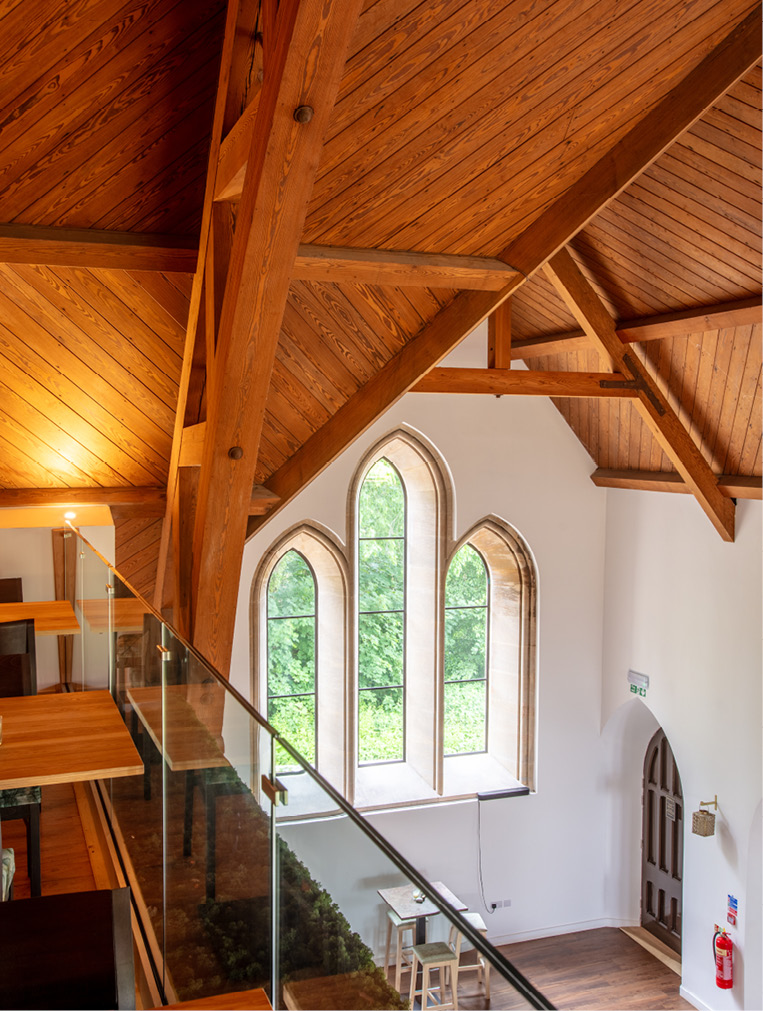
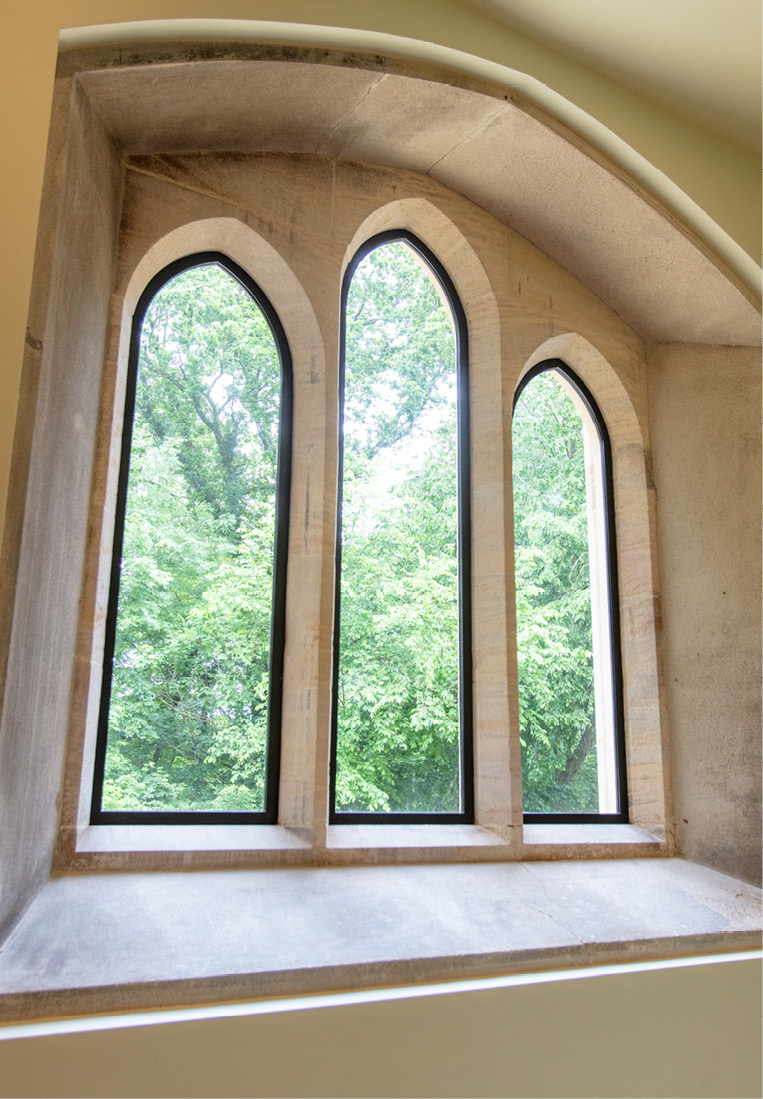
The chapel’s original arched windows, which are key to its character, were old and worn and required replacing. Each arched head window was made to precise templates to ensure a perfect fit within the building.
Our Heritage system was the ideal choice for this project. Designed specifically for historic and period buildings, it features a fine, delicate profile that is both understated and visually in keeping with the chapel’s original glazing. This system is highly adaptable and allows for shaped windows and tighter curves, making it particularly well-suited to the arches found throughout the building.
The windows were fabricated as fixed frames and fitted with double glazing for modern thermal performance. To maintain the traditional aesthetic, all glazing was pointed using silicone, a detail that subtly enhances the heritage appearance while delivering long-term durability.
The frames were finished in a dark bronze tone, providing a rich, timeless look that complements the aged stone and gothic detailing of the original structure. This project demonstrates the strength of our Heritage system in delivering technically refined, visually sensitive solutions for period buildings. It reflects our ongoing commitment to preserving architectural heritage while enhancing performance for modern use.
RETURN TO ALL CASE STUDIES

 Learn About Bronze
About Us
Learn About Bronze
About Us
 Request Your Brochure